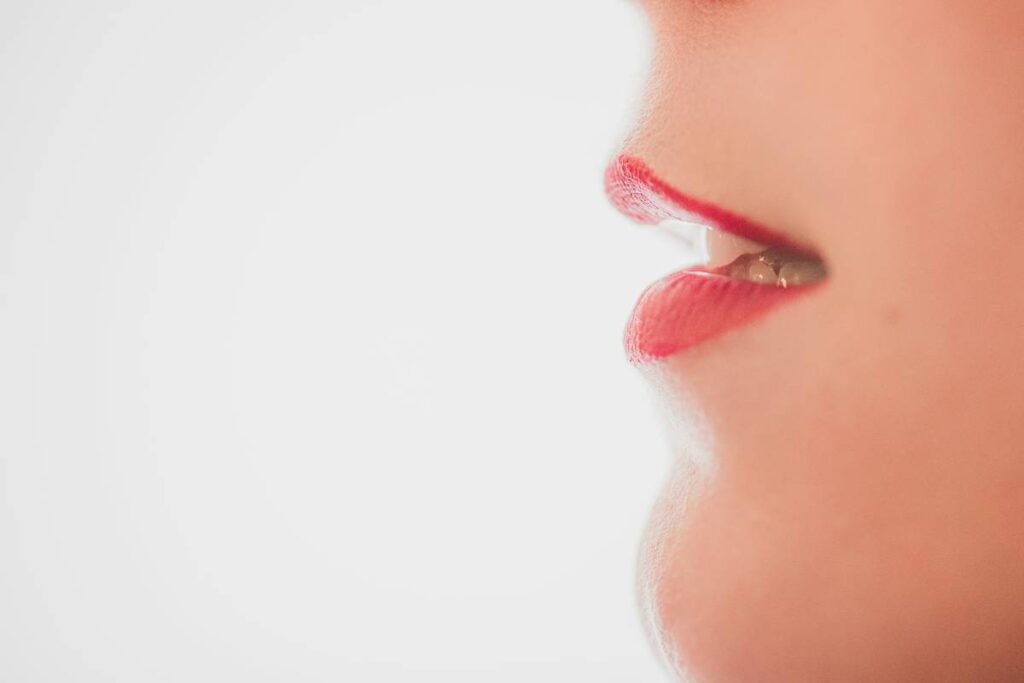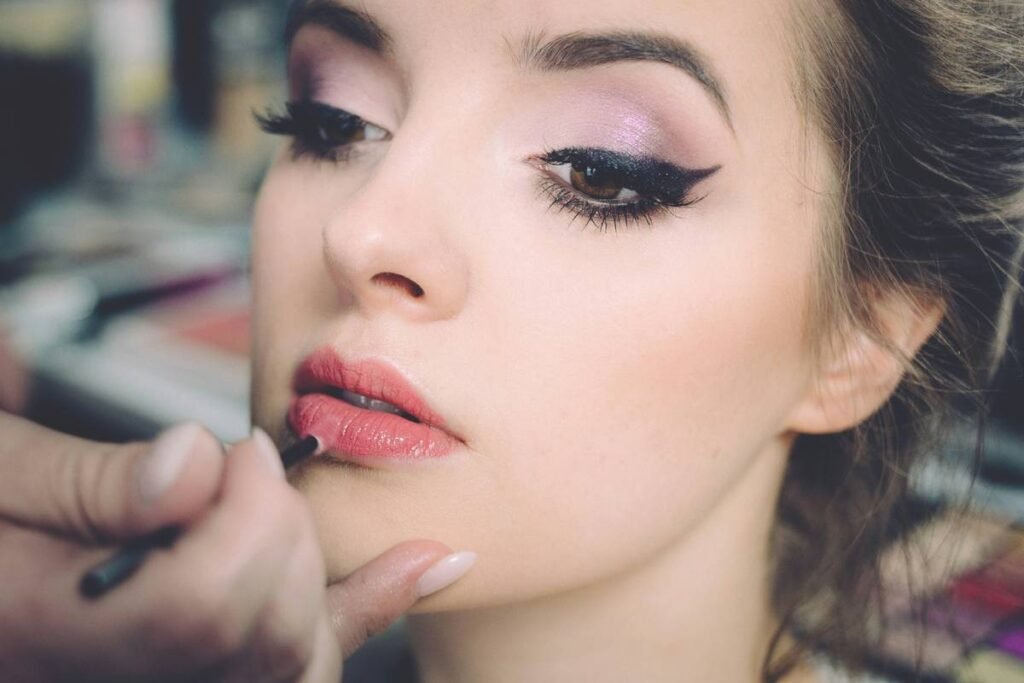
Thin lips. Fading definition. That sinking feeling when your favorite gloss slides right off. You’re not imagining it—most “plumping” tricks vanish faster than cheap lipstick in humidity. But what if the secret isn’t in a syringe… but in how you draw?
Why Most “Plump Lip” Hacks Fail Instantly
Overlined lip pencils smudge by noon. Peppermint oils sting then disappear. Hyaluronic serums? They need moisture-rich air to work—which your dry office definitely isn’t. And don’t get me started on those viral cinnamon scrubs—they just crack your barrier.
The real issue? You’re treating volume like a hydration problem. It’s not. It’s an illusion of light and shadow. Your lip liner isn’t just defining—it’s sculpting. Miss that, and no amount of balm will save you.
How to Get Plump Lips: A Liner-First Ritual
Forget injecting shape. You draw it. Here’s how:
Select the Right Liner Formula
Waxy pencils drag and flake. Gel liners bleed. Go for a creamy-matte lip liner with built-in emollients—think shea butter or squalane. It glides, stays put, and won’t emphasize fine lines. Shade match matters less than undertone harmony. Too cool? Lips look bruised. Too warm? Flat and muddy.
Map Your Natural Cupid’s Bow—Then Elevate It
Don’t trace your existing line. Find where your upper lip peaks naturally. Now—lightly extend each peak upward by 0.5mm. Not outward. Upward. This tiny lift creates instant dimension without cartoonish overlining. Anchor the center dip slightly deeper for contrast. Shadow = depth = perceived fullness.
Layer with Strategy, Not Thickness
One heavy coat screams “trying too hard.” Instead: sketch the new contour lightly. Fill only the inner two-thirds of your lips with liner—leave the outer rim bare. Then apply your cream or liquid lipstick over it. The unfilled edges blend seamlessly into skin while the lined interior catches light. Boom—3D effect.
| Method | Cost | Duration | Risk Level |
|---|---|---|---|
| Lip Liner Contouring (as described) | $8–$24 | 6–10 hours | Low (non-invasive) |
| Peptide Plumping Glosses | $20–$35 | 1–2 hours | Medium (tingling = inflammation) |
| Hyaluronic Acid Serums | $15–$50 | Variable (humidity-dependent) | Low, but often ineffective |
| Dermal Fillers | $600–$1,200 | 6–18 months | High (bruising, asymmetry, migration) |
The Industry Secret No Brand Wants You to Know
Top makeup artists on red carpets rarely use plumping products. They use two-toned lining. Here’s the trick: pick a liner 1/2 shade deeper than your natural lip for the outer V of your upper lip, and one 1/2 shade lighter for the center. Blend inward. This mimics how real full lips catch light—darker at the edges, luminous in the middle. Brands hate this because it requires skill, not sales. And it costs nothing extra.
Think about it—your lips aren’t flat. They’re topographic. Treat them like terrain, not a canvas.
Frequently Asked Questions
Can lip liner actually make lips look bigger?
Yes—if applied to enhance natural peaks and shadows, not just outline. Strategic overlining of the cupid’s bow adds vertical lift, creating fullness without width.
What color lip liner makes lips look fuller?
Match your natural lip tone or go slightly darker at the edges. Avoid stark contrasts—they flatten dimension. The goal is gradation, not graphic lines.
How do I keep my lip liner from bleeding?
Exfoliate gently the night before. Apply a matte, oil-free primer. Set lightly with translucent powder before lining. Creamy formulas with waxes (like carnauba) resist feathering better than gel-based ones.