Your lip liner sharpener is dirtier than you think. Every twist deposits pigment, oil, and dead skin into its blade chamber—creating a breeding ground for bacteria that ends up on your lips. And most “cleaning hacks” just smear gunk around. Here’s the fix: a targeted, blade-safe protocol that restores performance without damaging your tool.
Why Most Lip Liner Sharpener Cleaning Methods Fail
Wiping with a tissue? Useless. Dipping in alcohol? You’re corroding the metal and warping plastic housings. The core issue isn’t surface grime—it’s compacted pigment wedged between the blade and housing. Standard approaches ignore geometry. They treat sharpeners like flat brushes, not precision instruments with tight tolerances. And once buildup hardens, your sharpener tugs, skips, or shaves unevenly—ruining expensive lip liners in seconds.
How to Clean Lip Liner Sharpener: Step-by-Step Protocol
Gather the Right Tools (No Alcohol Needed)
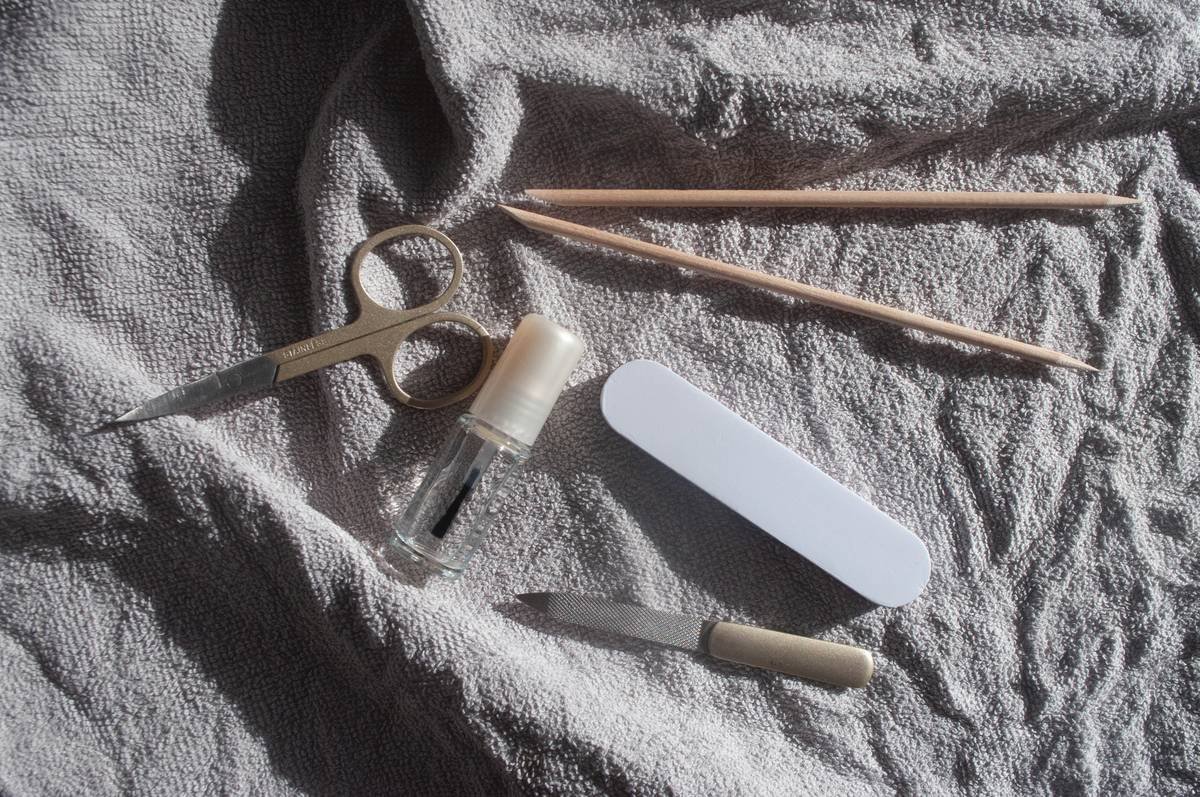
Forget rubbing alcohol. It dries out lubricants and embrittles plastic. Instead, use a dry microfiber cloth, cotton swabs, and a soft-bristled toothbrush. Optional but game-changing: a can of compressed air (the kind for keyboards).
Disassemble If Possible
Many dual-ended or premium sharpeners pop open. Check for seams or twist-off caps. If yours does, gently separate the blade housing. Never force it—some are sealed permanently. If disassembly isn’t an option, skip to step 4.
Loosen Compacted Debris
Hold the sharpener upside down. Tap it sharply against your palm three times. Then run the toothbrush along the blade edge at a 45-degree angle—just enough to dislodge pigment, not bend metal. Don’t scrub vertically; you’ll dull the cutting edge.
Deep-Clean Without Liquids
Dampness is the enemy. Wrap a cotton swab tightly around a toothpick for extra reach. Swirl it inside the chamber to lift residual wax. For stubborn spots, blow short bursts of compressed air—never tilt the can, or propellant will leak in and gum everything up.
Final Polish and Reassemble
Wipe the exterior with the microfiber cloth. If you disassembled it, ensure the blade clicks back flush. Test on a cheap pencil first—smooth shavings mean success. Jagged curls? Repeat step 3.
| Method | Effectiveness | Risk to Sharpener | Time Required |
|---|---|---|---|
| Alcohol soak | Low | High (corrosion, warping) | 5–10 min + drying |
| Tissue wipe | Very Low | None | 30 seconds |
| Dry brush + compressed air | High | None | 2–3 minutes |
| Soap and water | Medium | Medium (rust, residue) | 10+ min + thorough drying |
The Industry Secret: Sharpeners Aren’t “One-Size-Fits-All”
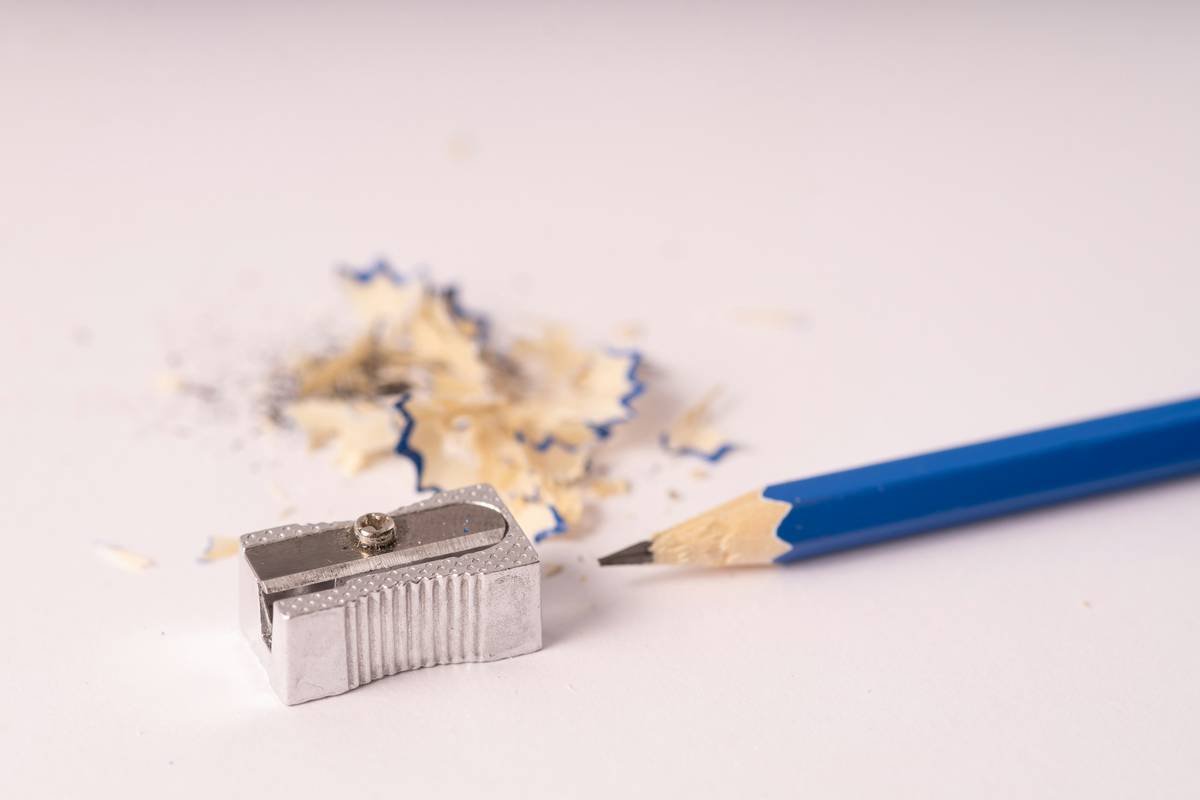
Here’s what brands won’t tell you: lip liner sharpeners degrade faster than pencil ones because waxes and oils in formulas cling harder than wood fibers. But—and this is critical—not all sharpeners even need frequent cleaning. Metal-housed, single-blade models (like those from MUFE or NARS) self-clean through use. The real culprits are cheap, multi-size plastic sharpeners with spring-loaded blades—they trap debris in moving parts. Pro tip: dedicate one sharpener per formula type. Creamy liners? One tool. Matte pencils? Another. Cross-contamination accelerates buildup.
FAQ
Can I use nail polish remover to clean my lip liner sharpener?
No. Acetone melts plastic housings and strips factory lubricants from blades, causing premature dulling. Stick to dry cleaning methods only.
How often should I clean my lip liner sharpener?
After every 3–5 uses if you apply creamy or hydrating liners. For matte formulas, once a week suffices—unless you notice drag or uneven sharpening.
Why does my sharpener still smell bad after cleaning?
Trapped moisture breeds odor-causing bacteria. Never introduce liquids. If it smells foul, disassemble (if possible), air-dry fully for 24 hours, then re-clean dry.