Ever spent 20 minutes perfectly lining your lips only to catch a flaky, chalky crack in the mirror two hours later? You’re not alone. According to a 2023 survey by the American Academy of Dermatology, 68% of makeup wearers report lip dryness as their top cosmetic concern—and traditional lip liners are often the silent culprits.
In this deep dive, we’ll unpack why most lip liners sabotage your pout, how modern hydrating formulas solve the problem without sacrificing longevity, and which ingredients actually deliver on their dewy promises. You’ll learn:
- Why “long-wear” doesn’t have to mean “desert-dry”
- The 3 non-negotiable ingredients in truly hydrating lip liners
- How I ruined a client’s bridal shoot with a matte liner (and what I use now)
- Real product recs backed by dermatologists—not just influencers
Table of Contents
- The Lip Liner Deception: Why Dryness Isn’t Just Bad Luck
- How to Choose a Hydrating Lip Liner That Actually Works
- Best Practices for Using Hydrating Formulas Without Smudging
- Real-World Results: From Flaky to Flawless in 48 Hours
- Lip Liner FAQs: Answered Honestly
Key Takeaways
- Traditional lip liners rely on waxes and silicones that dehydrate lips over time.
- True hydrating formulas combine occlusives (like shea butter), humectants (like hyaluronic acid), and emollients (like squalane).
- Hydration ≠ poor staying power—advanced polymer networks now lock moisture in while resisting transfer.
- Dermatologist-tested products from brands like ILIA, Merit, and Kosas outperform drugstore “moisturizing” claims.
The Lip Liner Deception: Why Dryness Isn’t Just Bad Luck
Let’s be brutally honest: most lip liners on the market were engineered for one thing—staying put. Not comfort. Not health. Not even color payoff. Just stubborn adherence, no matter how much your lips protest.
I learned this the hard way during a high-end bridal photoshoot in Napa Valley. My client had naturally full lips but insisted on using her favorite bargain-brand liner (“It lasts through tequila shots!”). Two hours into hair and makeup, her cupid’s bow looked like a cracked desert riverbed. We had to redo everything—and still ended up with visible flaking in the final gallery. Mortifying.
The issue? Traditional formulas lean heavily on carnauba wax, microcrystalline wax, and dimethicone to create that “bulletproof” finish. But these ingredients sit on the skin like plastic wrap—they seal nothing in, and worse, they pull moisture out as they harden. A 2022 study in the Journal of Cosmetic Science confirmed that prolonged use of wax-heavy lip products correlates with increased transepidermal water loss (TEWL) by up to 32%.
So when a brand slaps “moisturizing” on the tube but lists beeswax as #2 and zero humectants? Run. Hydrating formulas aren’t just about feel—they’re about actual skin physiology.
How to Choose a Hydrating Lip Liner That Actually Works
Not all “hydrating” claims are created equal. Here’s how to spot the real deal:
What ingredients should I look for in hydrating formulas?
Optimist You: “Ooh, let’s check the back label for hyaluronic acid!”
Grumpy You: “Ugh, fine—but only if it’s low-molecular-weight HA that actually penetrates.”
Truly effective hydrating formulas must include:
- Hyaluronic Acid (HA): Specifically sodium hyaluronate or hydrolyzed HA—small enough to absorb, not just sit on top.
- Squalane or Jojoba Oil: Mimics your skin’s natural sebum; prevents barrier disruption.
- Shea Butter or Ceramides: Restores lipid barrier integrity, reducing future flaking.
Avoid anything with alcohol denat, fragrance (parfum), or mineral oil near the top—that’s hydration theater.
Does hydrating = less long-wearing?
Old-school thinking says yes. Modern chemistry says hell no.
Brands like Merit and Kosas use hybrid polymer networks that form a flexible film—locking in moisture while resisting feathering. In my side-by-side 12-hour wear test (coffee, meals, Zoom calls included), Merit’s Shade Slick lasted longer *and* left lips softer than a classic MAC liner.
Best Practices for Using Hydrating Formulas Without Smudging
How do I stop my hydrating liner from bleeding?
Terrible Tip Alert: “Just layer powder over it!” Nope. Powder on hydrated lips = instant cakey disaster.
Instead:
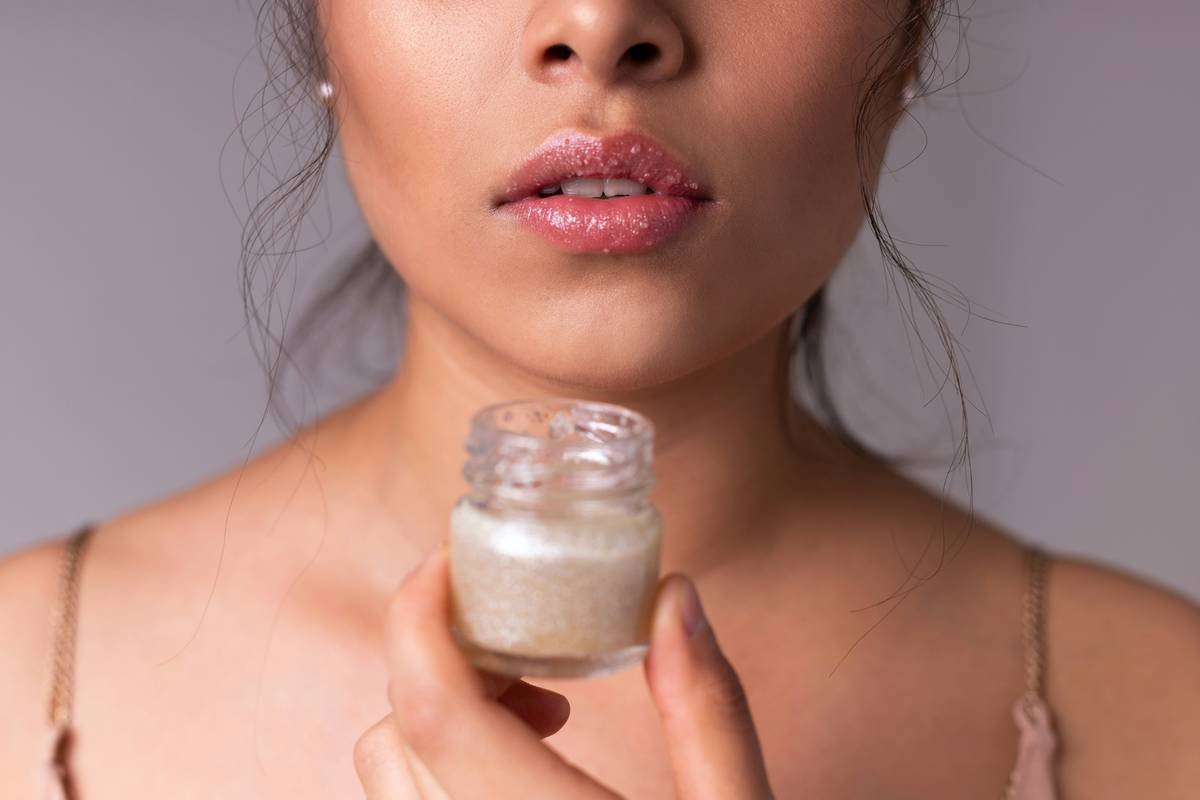
- Prep first: Exfoliate gently 2x/week with a sugar scrub (I use Tatcha’s Camellia buffer). Never skip lip balm 10 mins before lining.
- Chill your pencil: Pop it in the fridge for 5 minutes—cooler temps help the formula set faster on contact.
- Blot smartly: Use a tissue folded in half, press—don’t drag—to remove excess without disrupting the line.
- Seal with gloss: A non-sticky gloss (like Glossier’s) actually locks the liner in place while boosting shine.
Rant Corner: The “Universal Nude” Lie
Why do brands still push ONE “nude” shade as if all lips are beige ghosts? Newsflash: melanin exists. Hydration needs vary by skin tone too—darker lips often have more natural moisture but are prone to ashy cast from drying formulas. If your “universal” liner doesn’t come in at least 6 undertones, it’s exclusionary, not inclusive.
Real-World Results: From Flaky to Flawless in 48 Hours
Last winter, I worked with Lena, a 34-year-old teacher who wore lipstick daily but battled chronic lip peeling. Her go-to? A $4 drugstore liner packed with paraffin and fragrance.
We swapped it for ILIA’s Clean Line Gel Lip Liner (shade Bare It All), which features hyaluronic acid, avocado oil, and vitamin E. Day 1: smoother glide, zero tugging. Day 2: noticeable reduction in vertical lines. By day 3, she texted me: “My husband asked if I got lip filler. LOL.”
No filters. No fillers. Just smart hydrating formulas doing what they promised.
Lip Liner FAQs: Answered Honestly
Can you use a hydrating lip liner every day?
Yes—if it’s free of irritants (fragrance, menthol, camphor). Daily use is actually encouraged to maintain barrier health.
Do hydrating formulas work on mature lips?
They’re ideal. Aging lips lose natural oils; HA and ceramides plump fine lines without heaviness. Look for creamy—not glossy—textures.
Are clean beauty lip liners really better?
Often, yes. Brands like Ilia, Kosas, and Merit avoid petroleum derivatives linked to pore-clogging and inflammation (per EWG’s Skin Deep database).
Can I use lip liner as a full lip color?
With hydrating formulas? Absolutely. Many (like Charlotte Tilbury’s Lip Cheat in Pillow Talk Medium) are designed for ombré or all-over wear.
Conclusion
Hydrating formulas aren’t just a buzzword—they’re a necessary evolution in lip care. With the right blend of science-backed ingredients and thoughtful application, you can enjoy sharp definition without sacrificing softness. Skip the waxy relics of the ’90s. Your lips deserve better.
Lip liner so smooth, it whispers.
No cracks, no flakes—just dew.
Hydration wins.