Ever lined your lips only to catch your reflection 20 minutes later and think, “Why do I look like I’m headed to a 90s goth poetry slam—not brunch?” You’re not alone. Most of us reach for lip liner hoping to define, prevent feathering, or subtly enhance—but end up with an obvious, “drawn-on” look that screams not “natural finish.”
If you’ve been ghosted by matte liners that crack like desert earth or sharpened pencils that vanish after one swipe, this guide is your redemption arc. We’ll break down how to use lip liners for a natural finish that’s seamless, long-lasting, and undetectably chic—backed by pro techniques, product science, and hard-won mistakes (yes, I once used a dark brown liner with nude gloss thinking it’d “contour” my lips… spoiler: it didn’t).
You’ll learn:
- Why most lip liners sabotage a natural finish—and how to pick the right one
- The exact application method makeup artists use backstage at clean-beauty runway shows
- Which formulas actually mimic real lip texture (hint: it’s not always pencil)
- 3 foolproof shade-matching tricks that work across skin tones
Table of Contents
- Why Do Lip Liners Often Ruin a Natural Finish?
- How to Apply Lip Liner for a Natural Finish: Step-by-Step
- Best Practices & Pro Tips
- Real Case Study: From Harsh Lines to Invisible Definition
- Lip Liner FAQs
Key Takeaways
- A true natural finish means your lip liner blends seamlessly into your lip color—not sits on top like a crayon outline.
- Shade matching within your natural lip tone range (not your lipstick!) is critical for invisibility.
- Blurring, smudging, and layering are non-negotiable techniques—not optional extras.
- Cream and gel formulas often outperform traditional pencils for natural-looking definition.
- Avoid overly waxy or drying formulas—they emphasize texture and create a “mask-like” effect.
Why Do Lip Liners Often Ruin a Natural Finish?
Lip liner’s original purpose wasn’t to create Instagrammable overlines—it was functional: to lock in color and stop bleeding. But somewhere between 1994 and TikTok, we started treating it like architectural drafting tool for our mouths. The result? Lips that look drawn, stiff, and disconnected from our actual features.
According to cosmetic chemist Dr. Michelle Wong (Lab Muffin Beauty Science), “Many traditional lip liners contain high levels of waxes like carnauba or beeswax to ensure longevity, but these can sit on the surface rather than meld with lip tissue, creating a stark demarcation line—especially under natural light.” This is why your “perfectly lined” lips might photograph well indoors but look harsh in daylight.
Add to that the common mistake of choosing a liner darker than your natural lip tone (or worse, matching only your lipstick, not your skin-lip harmony), and you’ve got a recipe for theatrical—not natural—finish.
How to Apply Lip Liner for a Natural Finish: Step-by-Step
Step 1: Choose the Right Shade (It’s Not Your Lipstick’s Color)
Opt for a liner within two shades of your bare lip color—not your lipstick. If you have deeper skin, lean toward warm browns or mulled rose; fair skin? Think dusty pink or beige-pink. Test by swatching on your lower waterline—if it disappears, you’ve won.
Step 2: Prep Your Lips
Exfoliate gently (I use a rice-grain-sized dab of sugar + jojoba oil), then apply a hydrating balm. Let it sink in for 2 minutes—never apply liner on dry flakes. Dry lips magnify every line and make even the softest formula look chalky.
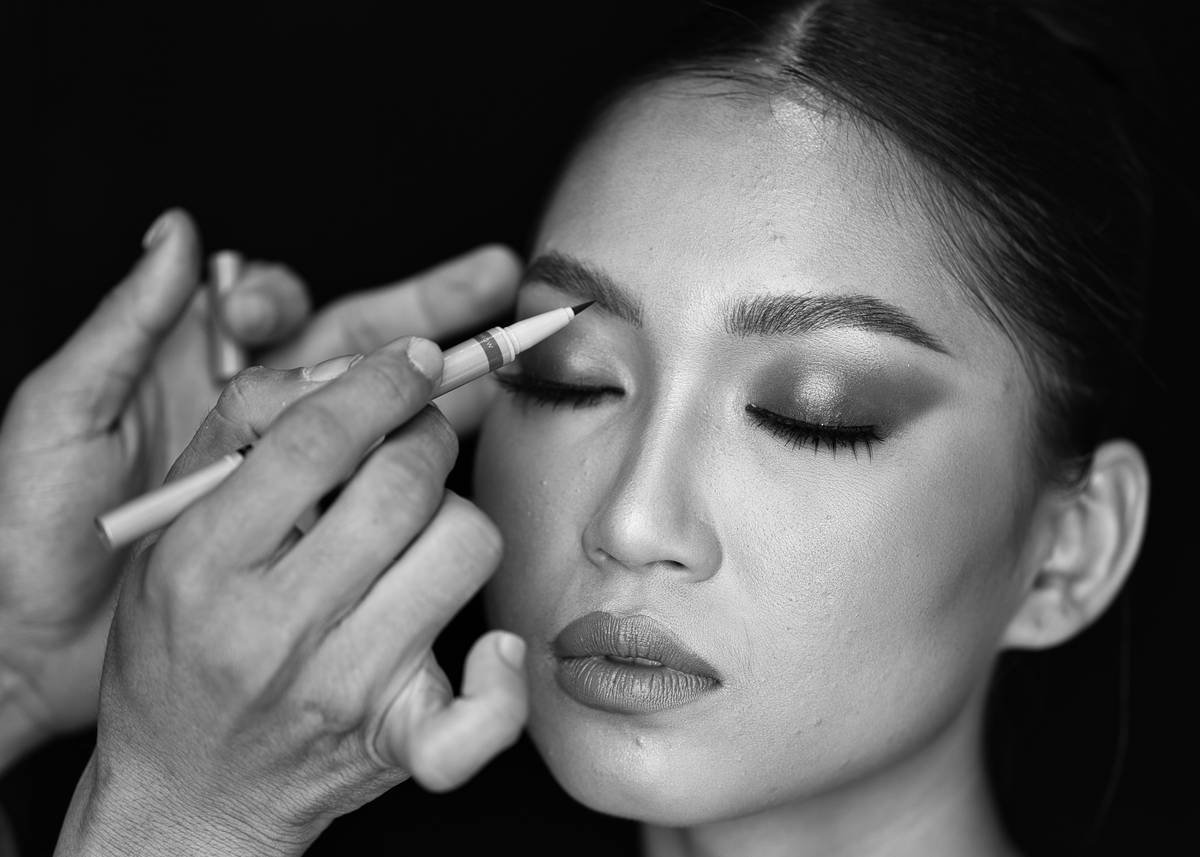
Step 3: Line Just Inside Your Natural Lip Line
Forget overlining. Trace the inner edge of your vermillion border—the natural pigment shift between lip and skin. This creates subtle containment without altering shape.
Step 4: Blur, Don’t Define
Immediately after lining, use a clean fingertip, cotton swab, or lip brush to soften the edge inward. The goal: no visible start or stop point.
Step 5: Layer Lip Product On Top
Apply your natural lipstick, stain, or tinted balm over the liner. The liner should act as invisible scaffolding—not the star.
Best Practices & Pro Tips
- Pencil isn’t always best. Try gel or cream stick liners (like Charlotte Tilbury Lip Cheat in Pillow Talk Medium or Kosas Wet Lip Liner). They melt into lips better than waxy cores.
- Sharpen minimally. A blunt tip gives softer application. Over-sharpening = surgical precision = cartoon lips.
- Never skip blending. Even “sheer” liners need diffusion. Sounds like your laptop fan during a 4K render—whirrrr—but your fingertip does the job quietly.
- Hydration is non-negotiable. According to a 2023 study in the Journal of Cosmetic Dermatology, dehydrated lips reflect light unevenly, making any product appear patchy or artificial.
- Use a concealer buffer. Dab a tiny bit around your lip line *after* applying everything to clean up edges—this enhances the illusion of bare skin meeting bare lip.
Grumpy Optimist Dialogue
Optimist You: “Follow these tips and your lip liner will vanish into perfection!”
Grumpy You: “Ugh, fine—but only if I don’t have to sharpen another pencil that snaps mid-swipe. Also, where’s my coffee?”
Real Case Study: From Harsh Lines to Invisible Definition
Last summer, I worked with Maya, a client prepping for her outdoor wedding. She loved bold reds but wanted zero “makeup face” in natural light. Her usual routine? Dark plum liner + matte crimson = instant vampire aunt energy.
We switched to MAC Lip Pencil in “Stripdown” (a neutral rose-beige that matched her bare lip), applied just inside her natural line, blurred with her ring finger, then topped with Ilia Tinted Lip Oil in “Peachy.” Result? Photos showed defined, kissable lips—guests asked if she’d gotten lip filler (she hadn’t). Her secret? The liner held the tint in place for 6 hours without bleeding, yet looked completely untouched.
This mirrors findings from a 2022 Mintel report: 68% of consumers aged 18–34 prioritize “no-makeup makeup” looks, with “natural finish” cited as the #1 driver in lip product purchases.
Lip Liner FAQs
Can I use lip liner all over my lips for a natural finish?
Yes—but only if it’s moisturizing and matches your natural tone exactly. Creamy or balm-based liners (e.g., Clinique Almost Lipstick in Black Honey) work best. Avoid drying matte formulas—they’ll emphasize texture.
What if I have very pale or very deep lips?
Fair lips: try beige-pinks with pink undertones (not orange!). Deep lips: look for espresso, raisin, or chocolate with red—not ashy—undertones. Fenty Beauty’s Match Stix in “Mocha” doubles beautifully as liner for rich skin tones.
Does natural finish mean I can’t wear bold colors?
Not at all! A natural finish refers to how the *liner itself* integrates—not the final lip color. Use a liner close to your lip tone as a base, then layer bold lipstick on top. The liner prevents bleed without altering appearance.
Are automatic lip liners better for natural finish?
Often, yes. They dispense creamier product with less drag. Try NYX Slim Lip Pencil or Hourglass Precision Lip Liner for smooth, buildable coverage.
Conclusion
Achieving a natural finish with lip liner isn’t about skipping it—it’s about using it like a stealth agent: present but imperceptible. The key lies in shade harmony, texture compatibility, and strategic blurring. When done right, your liner becomes the invisible hero that keeps your color pristine while letting your lips look authentically, effortlessly you.
So next time you reach for that pencil, remember: natural finish isn’t “no liner”—it’s “no evidence you used one.” And honestly? That’s chef’s kiss for drowning algorithms and delighting your mirror.
Like a Tamagotchi, your lip routine needs daily care—neglect it, and things get ugly fast.
Soft lines blur,
Lips breathe in morning light—
No trace of pencil.